An asphalt shingle roof doesn’t get old just because a certain number of years passed. It gets old because the materials in the shingle spend those years getting worked over by sun, heat, oxygen, moisture, wind, and temperature swings. Once you understand what is changing, roof aging stops being a vague calendar problem and starts looking like a material problem.
Most homeowners notice the outside signs first. The roof looks faded. The shingles don’t have the same rich color. Granules show up in the gutters or at the end of the downspout. A contractor touches the roof and says the shingles feel dry or brittle. Those signs can be concerning, but they don’t always mean the roof has failed. Often, they mean the asphalt shingles are aging in the way asphalt shingles tend to age.
What Asphalt Shingles Are Doing Up There
An asphalt shingle is a layered product. There is a reinforcement mat, asphalt binder, mineral filler, and surface granules. The asphalt helps with water resistance, the mat gives the shingle structure, fillers help it hold form and perform consistently, and the granules protect the asphalt from sunlight and weather. Granules also give the roof its color and texture, but they are not just decoration.
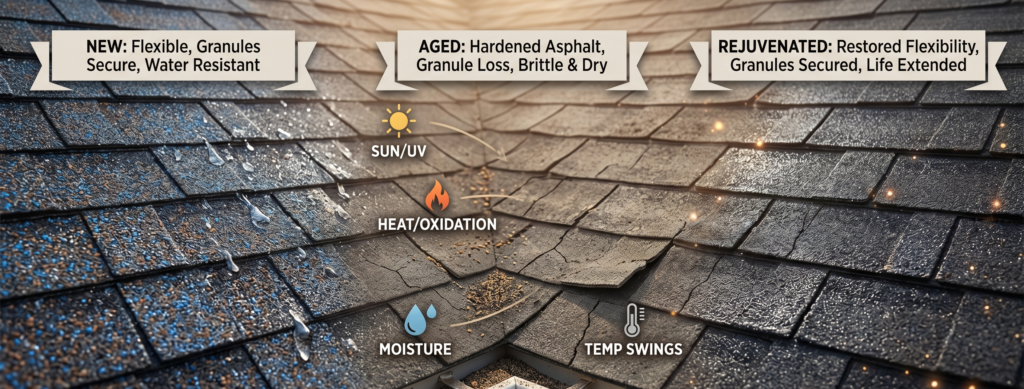
When shingles are newer, the asphalt binder is more flexible and the granules are held tightly in place. The roof can expand and contract through normal weather changes, shed water, and deal with daily stress. Over time, that changes. The asphalt can harden. The shingle can become less forgiving. Granules can loosen more easily. A roof may still be doing its job, but it isn’t behaving the same way it did when it was new.
Sun, Heat, And Oxygen Do A Lot Of The Work
Roofs live in a harsh spot. A dark asphalt shingle roof can get much hotter than the air temperature, especially in direct sun. Then it cools at night. That heating and cooling happens again and again for years. Heat speeds aging, sunlight contributes UV exposure, and oxygen reacts with asphalt through oxidation. Together, those forces can make the asphalt binder harder and less flexible.
This is why two roofs installed in the same year can age very differently. A roof in full sun with poor attic ventilation may age faster than a roof with better ventilation and less harsh exposure. Roof slope, climate, tree cover, storm history, installation quality, and maintenance all matter. The date on the invoice tells you something, but it doesn’t tell you everything.
Flexibility And Granule Loss Are Worth Watching
A roof can look still from the driveway, but shingles move a little all the time. They expand and contract with temperature changes. Wind can lift edges. Rain, hail, snow, and debris add stress. The house below the roof also moves slightly over time. Flexible shingles handle that movement better than dry, brittle shingles.
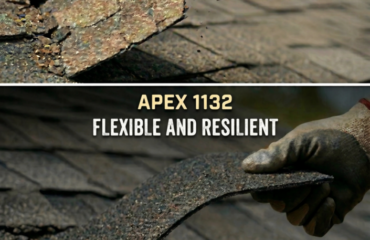
When shingles lose flexibility, they can be more prone to cracking, breaking, or shedding granules under stress. That doesn’t mean every brittle shingle is one gust away from failure, but brittleness is a real sign of age. Granule loss is another sign people can usually see without much effort. Some granule shedding is normal, especially after installation, but ongoing granule loss on an aging roof can suggest the binder isn’t holding the surface as well as it used to.
Granules matter because they protect the asphalt underneath. When more asphalt is exposed to sunlight and weather, the aging process can speed up. That can become a cycle: harder asphalt, weaker granule hold, more exposed asphalt, more aging.
The Roof Around The Shingles Matters Too
Shingles don’t age by themselves. Poor attic ventilation can increase heat from below. Overhanging trees can keep parts of a roof damp or drop debris that traps moisture. Low-slope areas can drain slowly. Bad flashing can cause leaks that have nothing to do with the shingle material. A roof is a system, and the shingles are only one part of it.
This is why roof condition matters more than age alone. A 12-year-old roof can be in rough shape if it had poor installation, bad ventilation, or a lot of storm exposure. A 20-year-old roof may still be serviceable if the materials, design, and conditions were favorable. The number matters, but the roof itself gets the final vote.
Where Rejuvenation Fits
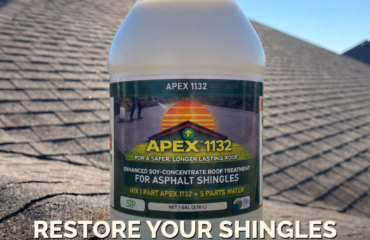
APEX 1132 is aimed at the aging-shingle problem, not every possible roofing problem. It is designed for asphalt shingles that are losing flexibility, surface condition, and grit retention but are still intact enough to maintain. It doesn’t repair flashing, rebuild decking, replace missing shingles, or make storm damage disappear.
That narrow focus makes the maintenance conversation more credible. If the roof is already failing, repair or replacement may be the right answer. If the shingles still have life left, maintenance may help keep useful materials in service longer. When replacement can become a five-figure project, protecting useful roof life is not a small thing. The goal is not to avoid replacement forever. It is to avoid replacing too early.